Grow Your Own Aromatherapy Garden
There is something wonderfully satisfying about growing plants that you can actually use. An aromatherapy garden can fill your outdoor space with fragrant herbs and flowers while giving you ingredients for teas, baths, sachets, herbal crafts, and everyday rituals.
You don’t need a huge garden to get started. A few pots on a balcony, a sunny windowsill, or a small patch beside your door can be enough to grow several fragrant plants. Even a tiny collection of herbs can transform an ordinary corner into something that feels alive, useful, and a little bit magical.
An aromatherapy garden is also about paying attention to the plants you bring into your home. Different herbs have different scents, traditional uses, growing requirements, and seasonal habits, so choosing plants becomes part of creating a garden that works for you.
And there is something lovely about stepping outside to gather your own lavender for a bath, rosemary for a bundle, or chamomile for a cup of tea. You know where the plant came from because you watched it grow.
What Is an Aromatherapy Garden?
An aromatherapy garden is a garden filled with fragrant plants that can be enjoyed for their natural aromas and traditional uses. Many of these plants have been grown for generations as culinary herbs, teas, bath ingredients, household preparations, perfumes, and botanical crafts.
You don’t have to grow every plant associated with aromatherapy. In fact, starting small is often much easier.
Choose plants that suit your climate, the amount of sunlight your garden receives, and the things you actually enjoy using. If you love lavender, start with lavender. If rosemary is something you use regularly in the kitchen, give it a sunny place to grow. If you enjoy making herbal baths, fragrant flowers such as chamomile and rose can be beautiful additions.
Your garden can be practical, decorative, or a little bit of both.
Why Grow Your Own Aromatherapy Plants?
Growing fragrant herbs gives you the opportunity to enjoy them throughout the seasons rather than buying everything ready-made.
You can dry flowers for sachets, make herbal bath blends, create scented bundles, add suitable herbs to cooking, or simply enjoy their fragrance while you’re working in the garden.
There is also something special about using plants that you’ve grown yourself. Gardening gives you a closer relationship with the ingredients you use, from planting the first seeds to harvesting the mature flowers and herbs.
And then there is the garden itself.
Aromatic plants attract bees, butterflies, and other pollinators, making your garden useful to more than just you. Choosing flowering herbs and companion plants can turn even a small garden into a lively little ecosystem.
For a witch, this can become part of everyday magic too. Planting herbs with intention, tending them through the seasons, harvesting them respectfully, and using them in your home can turn ordinary gardening into a meaningful practice.
Before You Start Your Aromatherapy Garden
Before buying a collection of beautiful plants, take a look at the space you have available.
Consider how much sunlight the area receives, whether the soil drains well, how much room each plant will need as it grows, and which plants are suitable for your local climate.
You can grow an aromatherapy garden directly in the ground, in raised beds, or in containers. Containers are particularly useful if you’re working with limited space or want to move plants around during the year.
It is also worth checking how each plant should be harvested and used before adding it to your garden. Some plants are lovely for fragrance and decoration but aren’t suitable for eating or making into home preparations.
Start with a handful of plants you genuinely love. You can always add more later.
Herbs and Flowers to Include
Now comes the fun part. There are so many fragrant plants to choose from that deciding what belongs in your garden can feel almost as enjoyable as planting it.
Here are some of the plants featured in the original guide, along with their traditional associations and practical uses.
Calendula
Calendula brings cheerful golden and orange flowers to the garden and is a wonderful choice if you want something colourful as well as useful.
Traditionally, calendula has been associated with comfort and gentle care. The dried petals can also be used in decorative herbal blends, bath preparations, and botanical crafts.
Rose
Few garden plants are as strongly associated with fragrance and beauty as the rose.
Rose petals can be dried for sachets, bath blends, potpourri, and other botanical creations. Their soft floral scent also makes them a lovely addition to an aromatherapy garden.
Peppermint
Peppermint is fresh, invigorating, and wonderfully easy to recognise by scent.
It is traditionally associated with clarity and refreshment and can be used in teas and other appropriate herbal preparations. Just remember that peppermint can spread enthusiastically, so growing it in a container can make it easier to manage.
Lavender
Lavender is practically made for an aromatherapy garden.
Its familiar floral scent makes it popular for sachets, baths, dried arrangements, and household crafts. It also attracts pollinators when flowering, making it both beautiful and useful in the garden.
Lemon Balm
Lemon balm has a fresh citrus scent and is an easygoing addition to many herb gardens.
Its leaves can be used for herbal teas and other suitable preparations, while its bright green foliage makes it attractive among flowering plants.
Chamomile
Chamomile produces small daisy-like flowers with a soft, familiar scent.
The flowers can be dried for herbal tea and suitable bath preparations. In the garden, chamomile also adds a delicate cottage garden feeling alongside lavender, roses, and other flowering herbs.
More Fragrant Plants for Your Garden
Once you’ve chosen your main herbs and flowers, you can add a few less common plants to give your garden more variety. These aren’t essential, but they’re lovely choices if you have the space and want to explore different scents.
Fennel
Fennel has a distinctive sweet, slightly licorice-like fragrance and produces delicate foliage and tall flowering stems.
Traditionally, fennel has been associated with protection and strength. Its airy appearance also makes it a beautiful addition to a cottage garden.
Rosemary
Rosemary is one of those herbs that earns its place in almost any garden.
Its strong, fresh scent makes it wonderful for culinary use, while traditional herbal and magical practices have associated rosemary with memory, cleansing, protection, and clarity.
It also makes a lovely dried herb for bundles and botanical crafts.
Bergamot
Bergamot, sometimes called bee balm, produces colourful flowers that are especially attractive to pollinators.
Its citrusy, slightly spicy fragrance makes it an interesting addition to a fragrant garden, while its flowers bring plenty of colour during the warmer months.
Hyssop
Hyssop is an old-fashioned herb with a fresh, slightly minty scent.
It has a long history of traditional herbal use and has also been associated with purification. Its upright flowers can add height and structure among lower-growing herbs.
Lemon Verbena
If you love fresh citrus scents, lemon verbena is worth considering.
Its leaves release a bright lemon fragrance when brushed or crushed, making it particularly enjoyable to grow beside a path where you can easily reach the foliage.
Scented Geranium
Scented geraniums come in a surprising variety of fragrances, including rose, lemon, mint, and other sweet scents.
They can be especially useful in containers because you can place them near seating areas, windows, or doorways where their fragrance can be enjoyed.
Jasmine
Jasmine brings an unmistakable floral fragrance to the garden.
Its flowers are particularly beautiful in the evening, making jasmine a lovely choice for a garden where you enjoy spending time after sunset.
If your climate allows you to grow it successfully, jasmine can become one of those plants you notice every time you step outside.
Simple Ways to Make Your Aromatherapy Garden Magical
Your garden doesn’t need statues, elaborate altars, or complicated rituals to become part of your witchcraft practice. A few intentional habits can be enough.
Plant With Intention
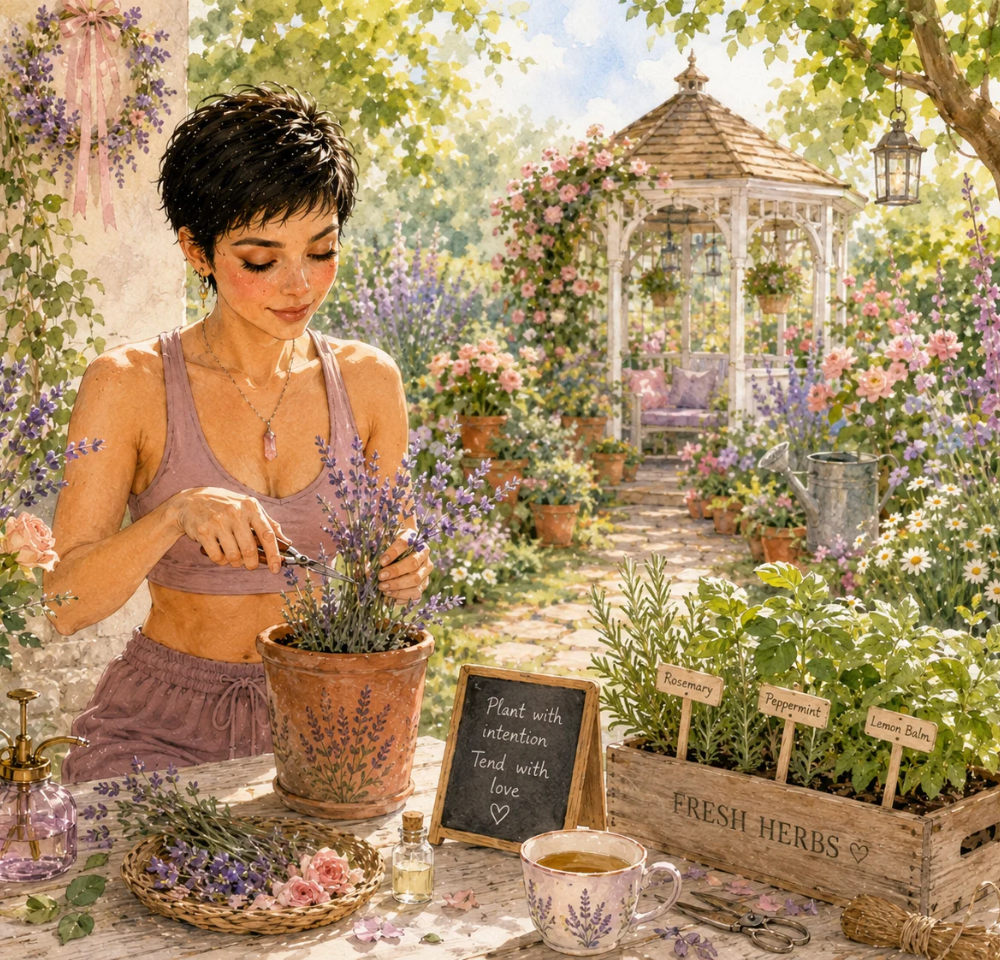
When you plant a seedling or place a new herb in the soil, take a moment to think about what you would like the plant to represent.
You can say a simple phrase while planting, such as:
“I plant this lavender for peace and welcome its fragrance into my home.”
The words don’t need to be elaborate. The act of connecting the plant with a personal intention is what gives the moment its meaning.
Work With the Seasons
Gardens naturally follow cycles, making them a wonderful place to connect with seasonal witchcraft.
You can plant and harvest according to the growing season, collect fallen leaves in autumn, prepare the garden for winter, and welcome new growth when spring arrives.
The original guide also suggests paying attention to moon phases when tending your plants, such as planting during the waxing moon and harvesting during the full moon. If lunar gardening is part of your practice, you can incorporate it into your routine in a way that feels meaningful to you.
Create Herbal Bath Blends
Some of the plants you grow can become part of relaxing bath rituals.
Dried rose petals, lavender, lemon balm, and chamomile can be used in suitable bath preparations. Place dried herbs inside a muslin bag or reusable herbal sachet before adding them to the water so you don’t end up fishing tiny plant pieces out of the bathtub afterward.
Make Herbal Salt Blends
Dried herbs can also be combined with salt to create simple botanical blends for ritual use.
Try combining finely dried rosemary, lavender, or other suitable herbs with sea salt. Store the finished mixture in a clean jar and use a small amount when creating a ritual bath, preparing your altar, or adding a botanical touch to your magical practice.
Make a Simple Herbal Spray
A fragrant herbal spray can be another lovely way to use plants from your garden.
The original article suggests combining dried herbs such as rosemary and lavender with a suitable base and using the finished spray around your home or on fabric.
If you’re making a spray, make sure every ingredient is appropriate for the intended surface and avoid applying homemade preparations directly to your skin unless you’ve confirmed that every ingredient and concentration is skin-safe.
A garden can be both beautiful and useful, and these small practices give you plenty of ways to bring the plants beyond the garden gate and into your everyday witchcraft.
Creating a Garden That Feels Like Yours
An aromatherapy garden doesn’t have to follow a particular design. You can arrange your plants according to colour, fragrance, height, season, or simply whatever looks beautiful together.
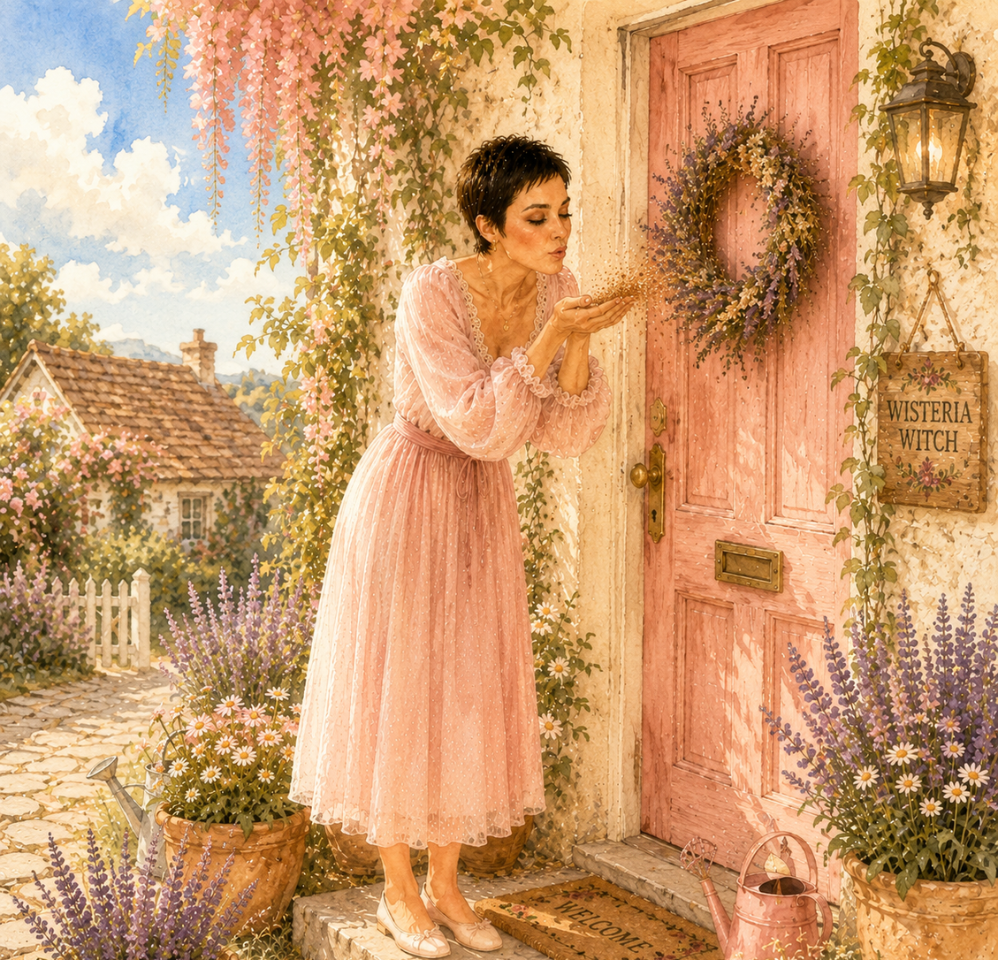
You might create a little lavender border beside a pathway, grow fragrant herbs in pots near the kitchen, or place roses and jasmine near a garden bench where you can enjoy their scent.
Think about how you actually use your garden. If you love sitting outside with your morning coffee, place fragrant plants nearby. If you enjoy cooking, keep rosemary, peppermint, lemon balm, and other useful herbs close to the kitchen.
You can also leave room for plants that simply make you happy. A garden doesn’t have to be practical every minute of the day. Sometimes a beautiful flower earns its place simply because you love seeing it bloom.
Caring for Your Aromatherapy Garden
Like any garden, fragrant plants need the right growing conditions to thrive. Check the individual needs of each plant before planting, especially when it comes to sunlight, watering, soil, spacing, and winter temperatures.
Regular harvesting can also encourage some herbs to produce fresh growth, while removing faded flowers can help certain flowering plants continue blooming.
If you’re drying herbs for later use, harvest them at the appropriate stage and dry them somewhere clean, dry, and well ventilated. Store dried herbs in clearly labelled airtight containers and keep them away from moisture and direct sunlight.
And remember that not every aromatic plant is suitable for eating, drinking, applying to the skin, or using around pets. Always check the specific plant and intended use before turning something from your garden into a home preparation.
A Few Simple Garden Rituals
You don’t need to perform elaborate spellwork every time you step outside. Small rituals can become part of your normal gardening routine.
When watering your plants, you can take a moment to appreciate their growth.
When harvesting rosemary or lavender, you can pause and acknowledge the plant before gathering what you need.
When planting something new, you can speak an intention over the soil.
And when the garden is quiet in the evening, you can simply sit among the plants and enjoy the scents around you.
These moments don’t have to be complicated. Gardening itself can become a ritual when you approach it with intention.
Final Thoughts
Growing an aromatherapy garden is about much more than filling your garden with fragrant plants. It’s about creating a living collection of herbs and flowers that you can enjoy through the seasons and bring into different parts of your everyday life.
You can use what you grow for teas, baths, sachets, botanical crafts, cooking, or simple magical rituals. You can also leave some plants untouched and enjoy them exactly where they grow, buzzing with bees and butterflies beneath the summer sun.
Start with a few plants that you genuinely love. Give them a sunny corner, learn what they need, and let your garden develop naturally over time.
Before long, you may find yourself stepping outside simply to brush your fingers across the lavender, smell the rosemary, or pick a few rose petals for something you’re making in the kitchen.
And honestly, that’s one of the loveliest parts of growing your own magical garden.