The Ancient Bond Between Witches and Plants
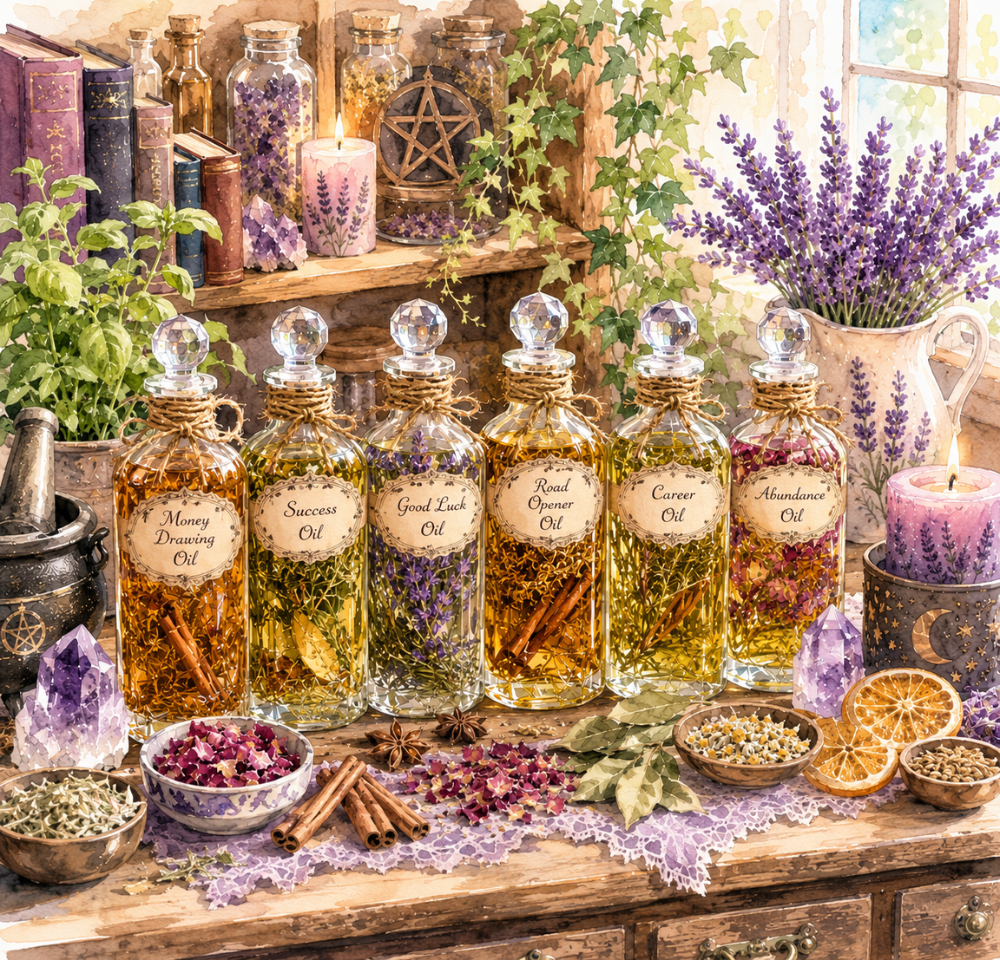
Walk through almost any witch’s home, and you’re likely to find plants somewhere.
A pot of rosemary growing on the windowsill, lavender drying from a wooden beam, fresh herbs waiting to be added to dinner, or flowers gathered from the garden and arranged in a favourite vase. They bring colour, fragrance, and life into our homes, but for many witches, they’ve always been much more than decoration.
Plants have long been companions, teachers, and quiet reminders of our connection to the natural world. They ask us to slow down, pay attention, and work with the changing seasons instead of against them. Every new leaf, every flower, and every seed carries its own story, reminding us that growth often begins beneath the surface, long before anyone else can see it.
That relationship didn’t begin with modern witchcraft. It stretches back thousands of years, woven into the lives of healers, herbalists, wise women, midwives, and the countless people who relied on the land long before supermarkets, pharmacies, and gardening centres existed.
A Relationship Rooted in History
Long before books of magical correspondences and beautifully illustrated herb guides filled our bookshelves, people learned about plants through observation.
They watched which herbs soothed a fever, which flowers attracted bees, which trees provided shelter, and which roots could nourish a family through winter. That knowledge wasn’t gathered in classrooms. It was passed from one generation to the next through stories, experience, and careful attention to the world around them.
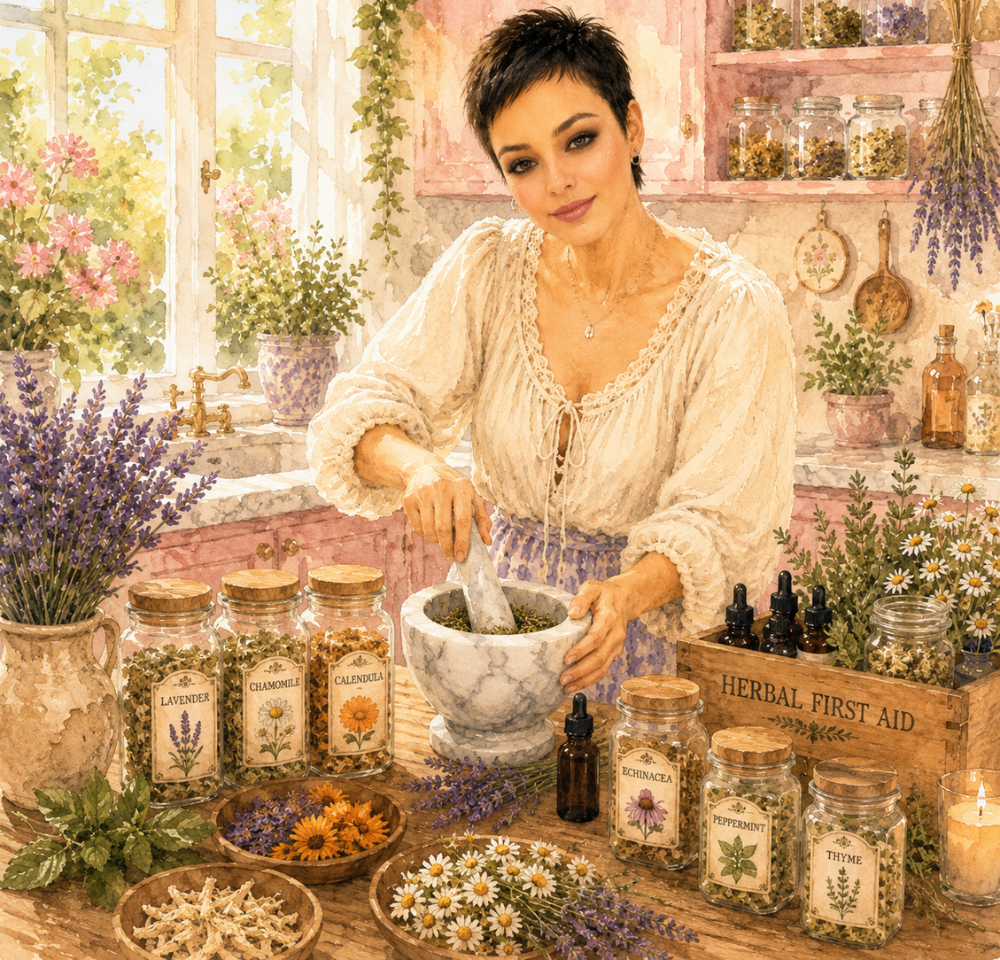
Many of those early healers became the people their communities turned to for help. They prepared herbal remedies, cared for the sick, assisted during childbirth, and understood the rhythms of the seasons in ways that were essential to everyday life. Although history often remembers them by different names depending on the culture or time period, many of the traditions we now associate with witchcraft grew from this close relationship with the natural world.
Of course, not every herbalist was considered a witch, and not every witch worked with plants in the same way. Even so, herbs and gardens have remained closely intertwined with folk magic for centuries. They offered medicine, nourishment, protection, and comfort, making them valuable in both practical life and spiritual practice.
More Than Just a Garden
One of the things I love most about gardening is that it naturally teaches patience.
You can’t rush a seed into becoming a flower, no matter how much you’d like to. It grows at its own pace, responding to sunshine, rain, healthy soil, and the changing seasons. The more time I spend with plants, the more I’m reminded that people aren’t all that different.
There are seasons when everything feels full of energy and possibility, and there are quieter times when growth happens beneath the surface. We don’t always notice it straight away, but that doesn’t mean nothing is happening.
That’s one of the reasons gardens have become such meaningful places in many magical traditions. They’re living reminders that transformation is rarely instant. Every herb, flower, and tree follows its own rhythm, quietly encouraging us to trust our own.
Whether you grow a sprawling cottage garden, tend to a handful of pots on a balcony, or keep a single herb beside a sunny window, caring for plants creates a relationship that’s built over time. The more attention you give them, the more they invite you to slow down and notice the world around you.
Every Plant Has a Story
If you’ve ever wandered through an old herb garden, you might have noticed that many of the plants growing there have stories attached to them.
Lavender was often tucked beneath pillows or hung inside homes because people believed it brought peace and protection. Rosemary became a symbol of remembrance and was carried at weddings, funerals, and seasonal celebrations across parts of Europe. Oak trees were honoured by many ancient cultures for their strength and endurance, while rowan trees were planted near homes throughout Scotland and Ireland as symbols of protection in local folklore.
Whether these traditions are viewed as history, folklore, or spiritual practice, they remind us of something rather beautiful. For thousands of years, people have looked at the plants around them and found meaning, comfort, and hope.
Perhaps that’s why so many witches still feel drawn to them today.
Building a Relationship With Plants
One of the biggest lessons plants have taught me is that relationships can’t be rushed.
You can buy a beautiful herb from a garden centre, place it in a lovely pot, and hope it thrives, but real growth comes from learning what it needs. Is it getting enough sunlight? Too much water? Does it prefer a sheltered corner or an open space where it can soak up every hour of daylight? The more time you spend caring for it, the more familiar those little details become.
I think our relationship with plants grows in much the same way.
The more time we spend around them, the more we begin to notice the small things. The scent of rosemary lingering on our fingertips after brushing past it, the first lavender buds appearing in early summer, or the way a sunflower slowly turns to follow the light throughout the day. Those quiet observations have a way of bringing us back to the present.
Listening Before Harvesting
In many folk traditions, harvesting wasn’t something people did without thought.
Before cutting herbs or gathering flowers, it was common to pause for a moment. Some people whispered a quiet thank you, others asked permission, and some left behind a small offering such as fresh water, a strand of hair, a pinch of grain, or simply a promise to care for the land in return.
Whether these customs were believed to carry spiritual significance or simply encouraged mindfulness, they reflected something important: taking only what was needed and showing gratitude for what the earth provided.
I find there’s something rather beautiful about that idea.
Even today, I like to pause before harvesting herbs from the garden. It doesn’t need to be a formal ritual. Sometimes it’s simply a quiet moment of appreciation before picking a few sprigs of rosemary for dinner or gathering fresh mint for tea. It reminds me that every plant has spent weeks or even months growing, and that small pause helps me value it just a little more.
A Garden That Changes With You
One of my favourite things about gardening is that no two seasons are ever exactly the same.
Some years the lavender seems happier than ever, while other years the roses steal the show. One spring might arrive early with warm sunshine, while the next keeps everything waiting beneath grey skies for just a little longer.
I’ve learned not to see those changes as failures.
Gardens have their own rhythms, just as we do. Some seasons are full of colour and growth, while others are quieter, asking us to slow down, tidy old flower beds, enrich the soil, and prepare for what’s still to come. Every stage has its purpose, even if it doesn’t look particularly exciting at the time.
I think that’s one of the reasons so many witches feel at home in a garden. It quietly reminds us that life isn’t measured only by what we can see today. Sometimes the most important work is happening beneath the surface, patiently preparing for the season ahead.
You Don’t Need a Cottage Garden
One of the biggest myths about working with plants is that you need a beautiful countryside garden filled with herbs, flowers, and winding stone paths.
The truth is, you don’t.
Some of the most meaningful connections begin with a single plant sitting on a sunny windowsill.
A pot of basil growing in the kitchen, a little lavender beside the front door, or a small rosemary plant on a balcony can become just as special as an entire garden. It’s never been about how many plants you own or how much space you have. It’s about the care you give them and the time you spend noticing them.
Nature has an incredible way of meeting us where we are. Whether you live in a cosy cottage, a busy town, or a small apartment, there’s always room to welcome a little greenery into your life.
Keeping a Living Garden Journal
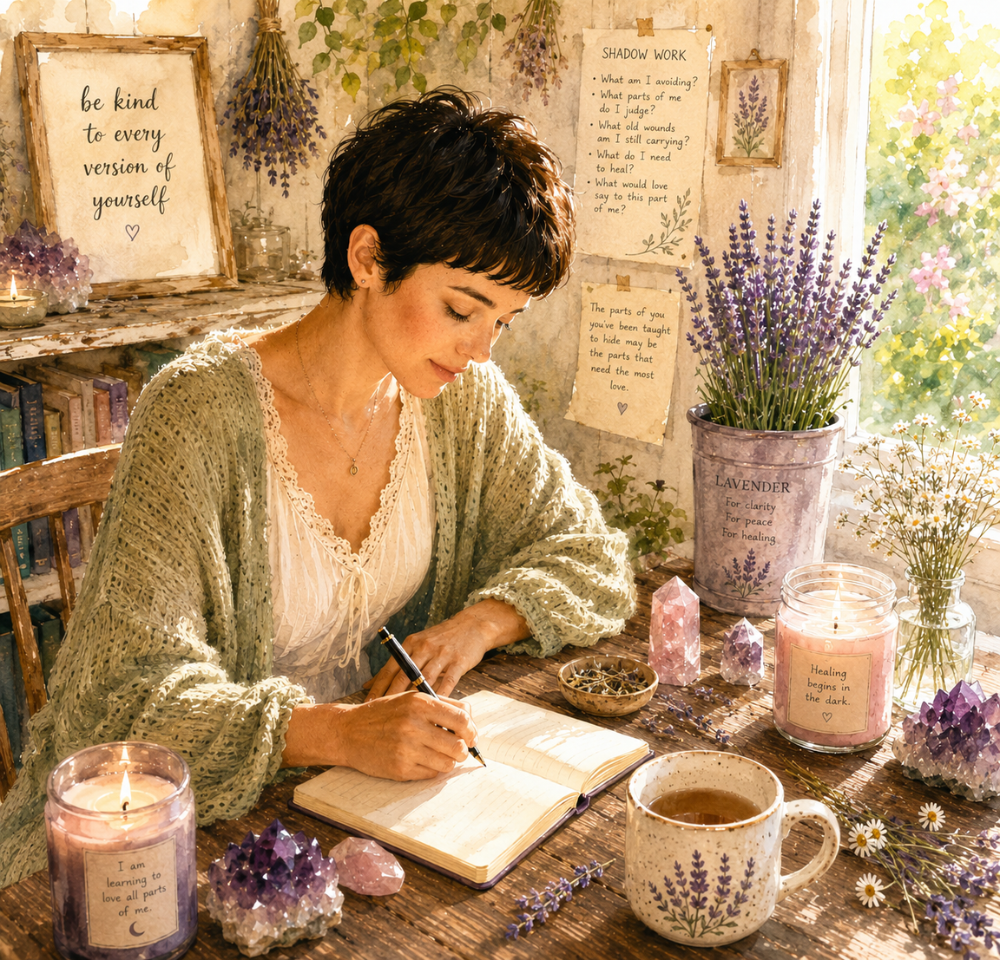
One of my favourite ways to deepen my connection with plants is by keeping a simple garden journal.
It isn’t a perfectly organised notebook filled with botanical illustrations or pages of magical correspondences. Instead, it’s a collection of little observations that would otherwise be forgotten. The first lavender blooms of summer, the day the roses finally opened, the robin that visited the garden every morning for a week, or the herbs that seemed especially happy after a few days of rain.
Looking back through those pages feels a little like reading the story of the seasons. It reminds me how quickly the garden changes and how many beautiful moments I would have missed if I hadn’t taken the time to write them down.
Your journal doesn’t have to be complicated. In fact, I think the simplest ones are often the most meaningful.
What to Record
There are no rules for creating a garden journal. It should reflect your own experiences and the way you connect with the natural world.
Some days you might write a few sentences about the weather or sketch a flower that’s just beginning to bloom. Other days you might press a leaf between the pages, jot down a favourite recipe made with fresh herbs, or make a note of the first butterfly you spotted that spring.
Here are a few ideas to inspire you:
- The date you planted seeds or welcomed a new plant home.
- The first flowers or herbs to bloom each season.
- Bees, butterflies, birds, and other wildlife that visit your garden.
- Changes you notice after periods of sunshine or rain.
- Recipes you’ve made using herbs you’ve grown yourself.
- Seasonal reflections or moments that made you smile.
- Pressed flowers or leaves collected throughout the year.
- Sketches, photographs, or little memories connected to your garden.
Over time, those pages become something much more personal than a gardening guide. They become a record of your relationship with the land around you.
Finding Magic in Everyday Moments
One of the things I love most about spending time in the garden is that it encourages me to slow down without even trying.
When I’m watering herbs, watching bees drift from flower to flower, or noticing the first signs of spring after a long winter, my attention naturally shifts away from everything else competing for it. The garden asks nothing more than my presence, and somehow that’s enough.
I think that’s where the real magic begins.
Not in dramatic rituals or elaborate ceremonies, but in the quiet habit of paying attention. Watching a seed become a flourishing plant, noticing the changing colours of the seasons, or harvesting a few fresh herbs for dinner reminds me that nature is constantly moving, growing, and beginning again.
Perhaps that’s why gardens have remained sacred spaces for so many people throughout history. They invite us to slow down, care for something beyond ourselves, and remember that we’re part of the natural world, not separate from it.
Final Thoughts
The relationship between witches and plants has never been about owning the rarest herbs or growing the most impressive garden.
It’s about taking the time to notice.
To notice the scent of rosemary carried on a warm breeze, the first blossom opening after weeks of waiting, the quiet hum of bees on a summer afternoon, or the comfort of picking fresh mint for a cup of tea. Those small moments have connected people to the natural world for countless generations, and they continue to do so today.
Whether your garden stretches across a countryside cottage or consists of a single pot on a sunny windowsill, every plant offers an invitation to slow down and become part of the changing seasons. You don’t have to know the folklore behind every herb or memorise endless magical correspondences to appreciate what nature has to teach.
Sometimes the most meaningful magic begins with something as simple as caring for a living thing.
The next time you step outside, pause for a moment before hurrying on with your day. Notice the scent of the flowers, the warmth of the sun, or the gentle movement of leaves in the breeze. Those quiet moments may seem ordinary, but they’ve inspired healers, herbalists, gardeners, and witches for thousands of years.
Perhaps they’ll inspire you too.