Finding Your Witchcraft Path: A Guide for Every Witch
One of the first questions people ask when they begin exploring witchcraft is, “What kind of witch am I?”
It’s an understandable question. Open almost any book, blog, Pinterest board, or social media page about witchcraft, and you’ll quickly discover countless magical paths. Green Witches nurture herbs and gardens, Kitchen Witches weave intention into their cooking, Hedge Witches explore dreams and meditation, while Sea Witches find inspiration in the tides. Every path has its own beauty, making it easy to wonder which one is meant for you.
When I first started learning about witchcraft, I thought I needed to choose a label before I could truly begin. Looking back, I realize I was trying to answer a question I wasn’t ready to ask. Witchcraft isn’t about choosing an identity on day one. It’s about discovering what inspires you through experience, curiosity, and time.
As you learn, your interests naturally grow alongside you. The practices that capture your attention today may be different a few years from now, and that’s part of the journey. Every book you read, every herb you grow, every tarot card you pull, and every seasonal celebration you experience helps shape your own unique craft.
Rather than thinking of magical paths as fixed categories, I like to think of them as invitations. Each one offers a different perspective on witchcraft, giving you the opportunity to explore new ideas, traditions, and ways of connecting with the world around you. Some will immediately feel familiar, while others may spark your curiosity later in your journey.
In this guide, we’ll explore many of the most well-known types of witches, what each path focuses on, and what everyday practice might look like. You may discover one that feels like home, or you may find yourself drawn to several. Either way, every experience adds another chapter to your own magical story.
Why We Love Labels
Labels aren’t necessarily a bad thing.
They help us describe our interests, discover new traditions, and find communities of people who share similar passions. If someone tells me they’re interested in Green Witchcraft, I immediately imagine someone who enjoys spending time outdoors, learning about herbs, following the seasons, and building a close relationship with nature.
The difficulty comes when labels begin to feel like rules instead of descriptions.
Many beginners worry they’re interested in too many different things. They enjoy growing herbs, but they’re also fascinated by tarot, crystals, candle magic, folklore, and baking. Before long, they begin asking whether they’re “allowed” to call themselves a Green Witch or whether enjoying one practice somehow excludes another.
I’ve never seen witchcraft work that way.
Each path offers something valuable to learn, and exploring different traditions often deepens your understanding of your own practice. You might spend months studying herbal magic before becoming fascinated by moon rituals, or discover that your love of cooking naturally leads you toward Kitchen Witchcraft. Every new experience teaches you something, even if it isn’t where you eventually settle.
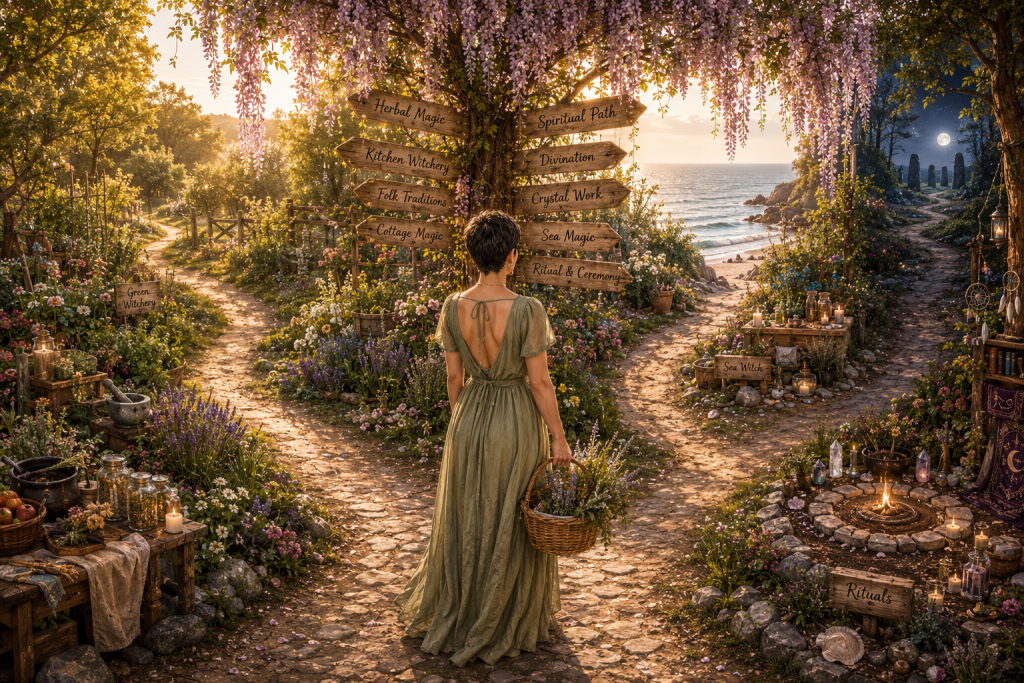
Think of magical paths as different trails through the same forest. Some are quiet woodland paths lined with herbs and wildflowers, while others lead to kitchens filled with freshly baked bread, moonlit clearings, or windswept coastlines. You don’t have to walk only one trail. The more you explore, the more you’ll discover about yourself and the kind of practice you want to build.
Your Path Doesn’t Have to Look Like Anyone Else’s
One of the things I appreciate most about witchcraft is how naturally it fits into everyday life.
Some witches find joy tending vegetable gardens, learning about medicinal herbs, and spending hours outdoors. Others feel most connected while baking bread, brewing tea, decorating their home for the changing seasons, or lighting a candle before settling down with a good book. For some, it’s tarot cards and moon rituals. For others, it’s folklore, history, or collecting pressed flowers during an afternoon walk.
None of these practices make someone more or less of a witch.
It’s easy to forget that when scrolling through social media. Beautiful altars, shelves filled with crystals, perfectly arranged herb cupboards, and elaborate rituals can make it seem as though every witch owns an endless collection of magical tools. What those photographs don’t show are the years of learning, experimenting, and quietly building a personal practice behind the scenes.
The most memorable witches I’ve met weren’t the ones with the biggest collections. They were the ones whose practice felt like a natural extension of who they were. Some owned little more than a candle, a favourite mug, and a few herbs from the kitchen cupboard, yet every ritual they performed carried care, thought, and intention.
That’s one of the lessons witchcraft continues to teach me.
Magic isn’t created by how much you own or how impressive your altar looks. It grows through the moments you return to again and again, the traditions you build over time, and the quiet rituals that slowly become part of your everyday life.
Traditional Witchcraft
Traditional Witchcraft is one of the oldest and most diverse magical paths. Rather than following a single set of beliefs or practices, it draws inspiration from local folklore, ancestral customs, seasonal celebrations, and the wisdom that has been passed from one generation to the next.
Every culture has its own traditions, so Traditional Witchcraft can look very different depending on where you live or what you’re studying. Someone exploring English folk magic may work with local legends and countryside customs, while another person might be drawn to Scandinavian folklore, Italian traditions, or the rich magical history found in Brazil.
One of the things I love most about Traditional Witchcraft is how deeply connected it is to everyday life. Long before witchcraft found its way into beautifully illustrated books and online communities, people looked to the land around them for guidance. They gathered herbs for healing, marked the changing seasons, protected their homes with simple charms, and passed their knowledge on through stories, family traditions, and lived experience.
If history, folklore, ancestral wisdom, and learning about the origins of magical practices fascinate you, Traditional Witchcraft offers a wonderful place to begin exploring.
Green Witchcraft
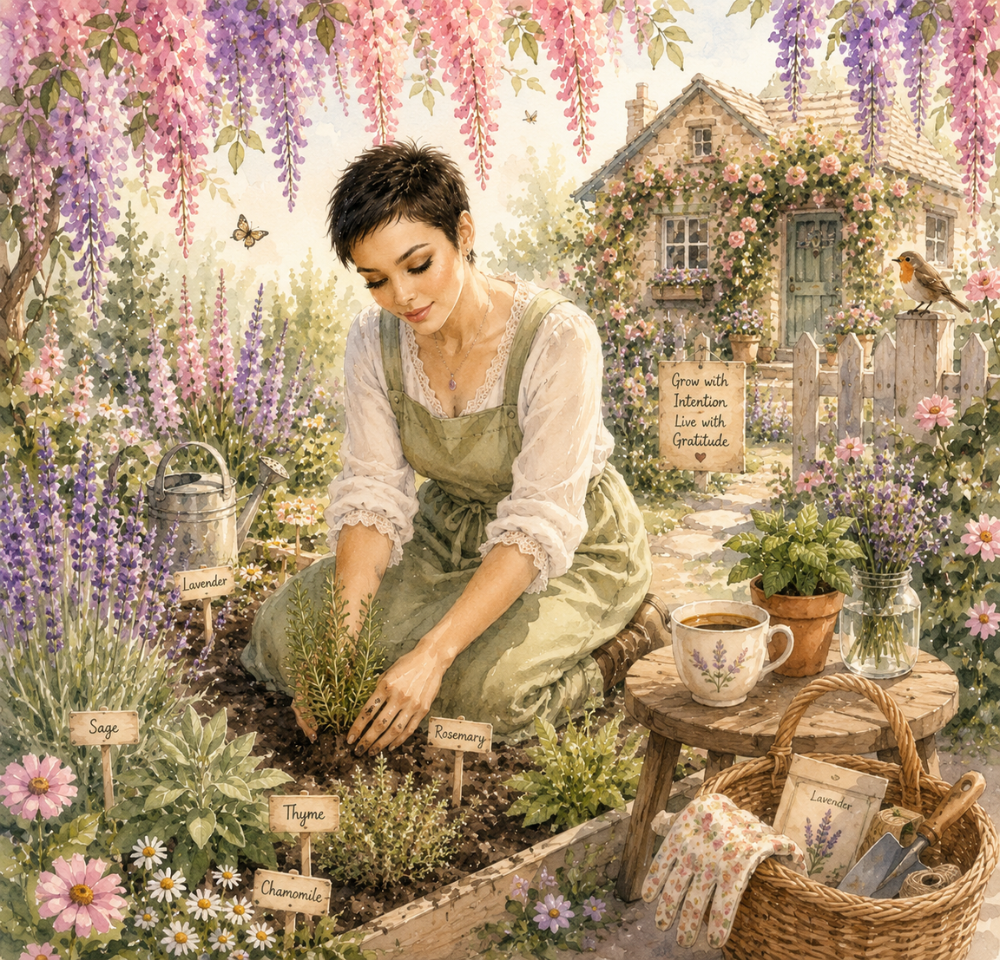
If you’ve always felt happiest surrounded by trees, flowers, birdsong, or the scent of fresh herbs, Green Witchcraft may feel like a natural extension of who you already are.
Green Witches build a close relationship with the natural world. They learn the language of plants, notice the changing seasons, and see the garden, woodland, or even a small balcony filled with herbs as places of quiet magic. Nature becomes both a teacher and a companion, offering lessons in patience, resilience, balance, and renewal.
One of the biggest misconceptions about Green Witchcraft is that you need a large garden or endless countryside to practise it. You don’t. A few pots of rosemary on a windowsill, a collection of houseplants, or regular walks through your local park can be just as meaningful. It’s the connection you build with nature that matters most.
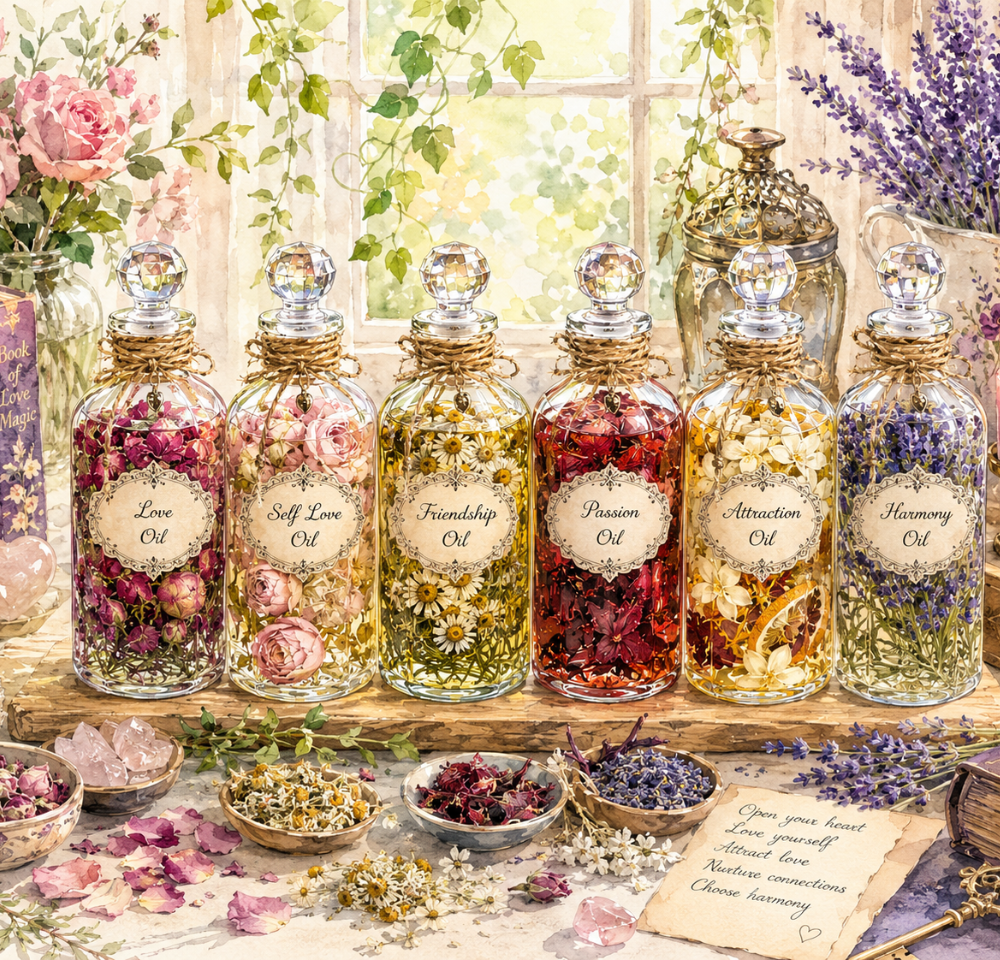
Many Green Witches enjoy learning about herbal correspondences, flowers, trees, roots, and stones, gradually discovering which plants they naturally reach for when creating magical oils, herbal teas, incense blends, spell jars, or seasonal rituals.
The more time you spend with nature, the more you begin to notice its quiet rhythms. Before long, even the shortest walk outdoors can become part of your magical practice.
Kitchen Witchcraft
Some of the most meaningful magic happens in the kitchen.
Kitchen Witchcraft transforms everyday cooking into an act of care, intention, and nourishment. Preparing a family meal, baking fresh bread, stirring soup, or brewing herbal tea becomes more than completing another household task. Each recipe becomes an opportunity to fill your home with comfort while adding your own magical intention along the way.
Many Kitchen Witches enjoy working with the magical properties of everyday ingredients. Rosemary is often chosen for protection, basil for abundance, cinnamon for prosperity, and honey for kindness and sweetness. These correspondences are gently woven into meals that bring people together around the table.
What makes this path so inviting is its simplicity. You don’t need an elaborate altar or expensive tools. A wooden spoon, a favourite mixing bowl, herbs from the cupboard, and a quiet intention are often all that’s needed to create something meaningful.
For many people, the kitchen naturally becomes the heart of the home. It’s where conversations unfold, memories are made, and everyday routines become comforting rituals. Kitchen Witchcraft embraces those ordinary moments and reminds us that magic often grows from the smallest acts of love.
Hedge Witchcraft
Hedge Witchcraft has always carried an air of mystery, and much of that comes from the meaning behind its name. The hedge represents the symbolic boundary between the physical world and the unseen, a place where intuition, dreams, and quiet reflection begin to take shape.
Traditionally, Hedge Witches were believed to “cross the hedge” through meditation, trance work, dreams, and deep spiritual journeys. Their practice often focuses on exploring the inner world as much as the outer one, using intuition, symbolism, and personal reflection to better understand themselves and the energies around them.
Many Hedge Witches are also drawn to herbalism, folklore, ancestral traditions, and divination, allowing these practices to work together naturally. Rather than following a rigid routine, they often let intuition guide where their practice leads next.
If you’ve always been fascinated by dreams, meditation, symbolism, and exploring the quieter corners of your own mind, Hedge Witchcraft may feel like a path worth exploring. It encourages you to slow down, pay attention, and discover the wisdom that often reveals itself in stillness.
Folk Witchcraft
Long before beautifully illustrated grimoires, crystal shops, and online witchcraft communities existed, ordinary people practised simple forms of magic in their everyday lives.
Folk Witchcraft grows from those traditions. Instead of focusing on elaborate rituals, it embraces customs that have been passed down through families and communities for generations. Protective charms, seasonal celebrations, herbal remedies, blessings, and household traditions all have their place within this path.
Many of these practices still feel familiar today. Hanging herbs above a doorway, placing salt near an entrance, blessing bread before baking, carrying a protective charm, or sweeping your home with intention all have roots in folk traditions that have survived for centuries.
What I find most inspiring about Folk Witchcraft is its practicality. It reminds us that magic has never belonged only in ancient books or hidden temples. It has always lived in kitchens, gardens, village homes, and around family tables, quietly woven into the rhythm of daily life.
Eclectic Witchcraft
If I had to choose one path that reflects many modern witches, it would probably be Eclectic Witchcraft.
Rather than following a single tradition, Eclectic Witches draw inspiration from different areas of witchcraft, carefully building a practice that reflects their own interests and experiences. They might combine herbal magic with tarot, celebrate the Wheel of the Year, work with crystals, enjoy candle magic, and spend time meditating beneath the Full Moon.
Being eclectic doesn’t mean collecting random practices without understanding them. It means taking the time to study different traditions, appreciating where they come from, and thoughtfully deciding what belongs in your own practice.
Over time, many witches naturally become eclectic without setting out to do so. Curiosity leads them to explore new ideas, and each experience adds another layer to their craft. Instead of fitting neatly into one category, their practice becomes a reflection of everything they’ve learned along the way.
Ceremonial Witchcraft
Ceremonial Witchcraft follows a more structured approach to magical practice. Rituals are often carefully planned, with a strong focus on symbolism, sacred geometry, planetary correspondences, and traditional ceremonial techniques.
Preparation is an important part of this path. Ritual spaces are often arranged with intention, tools are selected for their symbolic meaning, and each step follows an established order designed to create focus and purpose.
Many practitioners enjoy studying historical texts and exploring the deeper meanings behind ceremonial traditions. They appreciate the discipline, precision, and sense of connection that comes from following a carefully constructed ritual.
If you’re someone who enjoys structure, research, and detailed symbolism, Ceremonial Witchcraft offers a rich and rewarding area of study.
Sea Witchcraft
For those who feel drawn to the water, Sea Witchcraft offers a path inspired by the ever-changing energy of oceans, rivers, lakes, and tides.
Water has long been associated with intuition, healing, transformation, and emotional balance. Sea Witches often work with shells, driftwood, sea salt, coastal herbs, moon tides, and other treasures gathered from the shoreline, allowing the natural rhythm of water to shape their practice.
Living by the sea can certainly deepen that connection, but it isn’t essential. A peaceful afternoon beside a lake, collecting shells during a holiday, listening to rainfall, or incorporating water into your rituals at home can all become meaningful parts of this path.
Like every form of witchcraft, Sea Witchcraft grows through observation and connection. The more time you spend with water, the more it begins to reveal its own quiet lessons about change, patience, and renewal.
Lunar and Solar Witchcraft
The Sun and Moon have guided people for thousands of years, so it’s no surprise that many witches build their practice around their changing cycles.
Lunar Witches often follow the phases of the Moon, allowing each stage to guide different types of magical work. The New Moon is commonly associated with setting intentions, the Waxing Moon with growth and opportunity, the Full Moon with celebration, charging tools, and heightened energy, while the Waning Moon is often used for reflection, release, and clearing away what no longer serves a purpose.
Solar Witchcraft follows the rhythm of the Sun and the changing seasons. Many Solar Witches celebrate the Wheel of the Year, honour the solstices and equinoxes, and focus on themes of vitality, creativity, confidence, abundance, and personal growth.
These paths often overlap naturally. Many witches find themselves working with both the Sun and the Moon, appreciating how each offers its own unique energy throughout the year. Together, they create a beautiful reminder that nature is always moving through cycles of light, darkness, rest, and renewal.
Cottage Witchcraft
Cottage Witchcraft celebrates the beauty of creating a warm, welcoming home where everyday life becomes part of your magical practice.
Freshly baked bread cooling on the counter, herbs drying in the kitchen, homemade candles, pressed flowers tucked into old books, simmer pots filling the house with comforting scents, and seasonal decorations all become expressions of intention and care. Magic is found in the quiet routines that turn a house into a home.
One of the things I love most about Cottage Witchcraft is that it doesn’t depend on where you live. You don’t need a countryside cottage surrounded by wildflowers to embrace this path. A small apartment filled with houseplants, soft blankets, favourite mugs, and little daily rituals can hold just as much magic.
Many Cottage Witches enjoy gardening, preserving herbs, sewing, baking, decorating for the seasons, and creating a peaceful space where both they and their loved ones feel at ease. Their practice is woven into everyday life, proving that ordinary moments can become some of the most meaningful.
Candle Witchcraft
Few magical tools are as timeless and accessible as the humble candle.
For centuries, candles have been used in rituals, prayers, celebrations, and moments of quiet reflection. In Candle Witchcraft, the flame becomes a symbol of transformation, carrying your intentions as the wax slowly melts away.
Many practitioners enjoy working with colour correspondences. White is often associated with peace and purification, green with prosperity, pink with love and friendship, blue with healing and communication, red with courage and passion, while black is commonly used for protection and banishing unwanted energy.
What makes Candle Witchcraft so appealing is its simplicity. You don’t need shelves filled with magical supplies to begin. A single candle, a quiet moment, and a clear intention can become a meaningful ritual all on their own.
Crystal Witchcraft
Crystals have fascinated people for thousands of years, and for many witches they become trusted companions throughout their magical practice.
Some are drawn to the calming energy traditionally associated with Amethyst, while others reach for Rose Quartz when focusing on compassion, Black Tourmaline for protection, or Clear Quartz to support clarity and intention. Each stone carries its own symbolism, allowing you to choose crystals that reflect the qualities you wish to invite into your life.
Crystal Witches often incorporate their collection into meditation, spellwork, crystal grids, moon rituals, or simply display them around the home as gentle reminders of their goals and intentions.
While crystals can be wonderful tools, they aren’t the source of your magic. They support your practice, helping you focus your thoughts and intentions, but the true power always comes from the care, consistency, and meaning you bring to your craft.
Divination Witchcraft
Divination is the practice of seeking guidance through symbols, intuition, and reflection.
Many witches explore tarot cards, oracle decks, runes, pendulums, tea leaves, scrying mirrors, or even signs found in nature as ways of gaining insight into different situations. Rather than providing fixed answers, these tools encourage you to slow down, reflect, and consider perspectives you may not have noticed before.
One of the biggest misconceptions about divination is that it predicts an unchangeable future. I’ve always seen it as a conversation instead. A tarot reading, for example, doesn’t make decisions for you. It offers another way of looking at your circumstances while inviting your own intuition into the process.
For many witches, divination becomes less about predicting what will happen next and more about understanding themselves, recognising patterns, and making thoughtful choices.
Energy Witchcraft
Everything around us carries energy, from our emotions and relationships to the atmosphere within our homes and the spaces we spend time in.
Energy Witchcraft focuses on becoming more aware of those subtle influences and learning how to work with them intentionally. Grounding exercises, visualisation, meditation, cleansing rituals, breathwork, and mindfulness all play an important role in helping practitioners feel balanced and centred.
Because energy work forms the foundation of so many magical practices, it naturally overlaps with candle magic, crystal work, herbalism, meditation, and countless other paths. Developing a greater awareness of your own energy can strengthen every part of your practice, no matter where your interests eventually lead.
One of the most valuable lessons Energy Witchcraft teaches is to pay attention to yourself. Recognising when you’re feeling overwhelmed, emotionally drained, or disconnected allows you to create simple rituals that restore balance and bring you back to the present moment.
Why Most Witches Are Eclectic
After exploring these different paths, you may still be wondering which one suits you best. The answer is often much simpler than people expect.
Most witches don’t fit neatly into a single category. Someone might spend the morning tending herbs like a Green Witch, bake bread with intention in the afternoon, read tarot during the evening, and light a protection candle before bed. Rather than belonging to several different paths, these practices naturally become part of one personal craft.
That’s why so many witches describe themselves as eclectic.
As your knowledge grows, you’ll discover new interests, revisit old ones, and naturally combine practices that complement one another. Over time, your craft becomes less about following a label and more about creating traditions that reflect your own values, experiences, and connection to the world around you.
The labels we’ve explored throughout this guide are useful for learning, but they aren’t boxes you have to stay inside. They’re starting points that introduce different ways of practising witchcraft, giving you the freedom to discover what speaks to you most.
How to Discover Your Own Path
If you’re still unsure where to begin, try shifting the question. Instead of asking, “What kind of witch am I?”, ask yourself what naturally brings you joy.
Do you lose track of time while gardening? Do you love baking for family and friends? Are you fascinated by herbs, crystals, folklore, tarot, astrology, or the changing seasons? Do you enjoy quiet meditation, researching old traditions, or spending hours outdoors?
The answers to those questions will often tell you far more than any online quiz ever could.
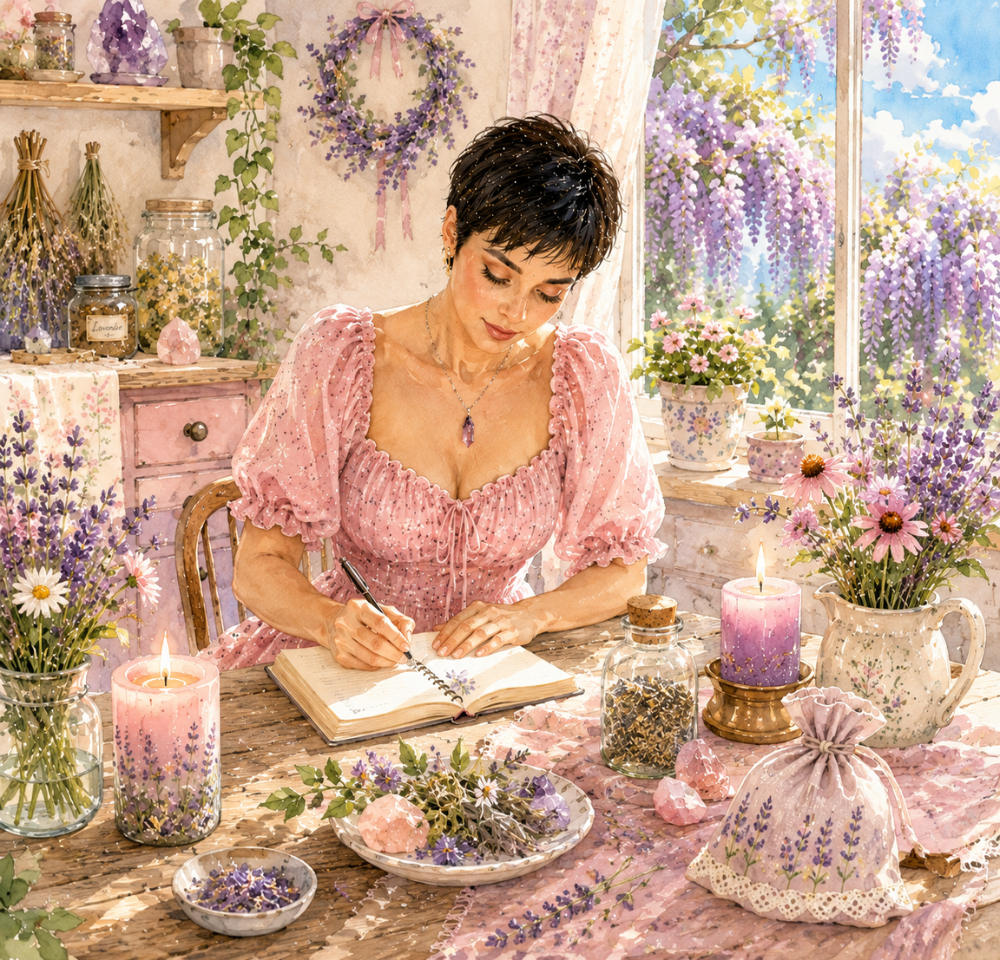
One of the best things you can do is stay curious. Read books from different traditions, try simple practices, keep a journal of your experiences, and notice which activities you return to again and again. Those recurring interests often become the foundation of your own magical practice.
Your path isn’t something you discover in a single afternoon. It’s built gradually through the experiences that continue to inspire you.
Common Mistakes New Witches Make
Every witch begins as a beginner, and every journey includes lessons along the way.
One of the most common mistakes is feeling pressured to choose a magical path immediately. After reading about different traditions, it’s easy to believe you need to decide whether you’re a Green Witch, Kitchen Witch, Hedge Witch, or something else before you can begin practising. In reality, most people spend years exploring different interests before finding the rhythms that suit them best.
Another trap is comparing yourself to what you see online.
Social media is filled with beautiful altars, carefully arranged crystal collections, shelves lined with herbs, and elaborate rituals. While these photographs can be inspiring, they’re only small glimpses into someone’s practice. They don’t show the years of learning, experimenting, or the quiet everyday rituals that often matter most.
It’s also easy to fall into the habit of buying everything at once. Tarot decks, crystals, herbs, candles, altar decorations, journals, and every witchcraft book you can find can quickly become overwhelming. Your practice doesn’t need to begin with a shopping list.
Many experienced witches build their craft slowly over time, collecting tools that hold personal meaning rather than filling shelves for the sake of appearances. A favourite mug, a candle, herbs from your kitchen, and a notebook filled with your own experiences can become some of the most treasured parts of your practice.
One lesson I’ve learned over the years is that witchcraft isn’t measured by how much you own. It’s shaped by the time, curiosity, and intention you invest in it.
Final Thoughts
If there’s one thing I’d love you to take away from this guide, it’s that witchcraft is a journey of discovery.
Every herb you grow, every candle you light, every book you read, and every ritual you try teaches you something new about both your craft and yourself. Some practices will become lifelong traditions, while others will quietly fade as your interests change. Both are valuable because every experience helps shape the path you’re creating.
Don’t feel rushed to choose a label before you’ve had the chance to explore. Allow yourself to follow your curiosity, experiment with different practices, and discover what naturally becomes part of your daily life.
The witches who inspire me most aren’t the ones with the largest collections or the most elaborate rituals. They’re the ones whose practice feels authentic, thoughtful, and deeply connected to who they are. Their magic isn’t built around impressing others. It’s woven into the way they live, the habits they nurture, and the intention they bring to everyday moments.
In the end, your magical path doesn’t need to look like anyone else’s.
It only needs to feel like your own.
Happy crafting, and blessed be. 🌿✨