What Witchcraft Really Teaches You (After Years of Practice)
When I first discovered witchcraft, I thought becoming a better witch meant learning everything I possibly could.
I filled notebooks with herb correspondences, bookmarked endless articles, collected books on folklore, studied the moon phases, and happily disappeared down countless rabbit holes about magical traditions. Every new piece of information felt like another step towards becoming the kind of witch I imagined I should be.
At the time, I believed knowledge was the destination. Looking back, I realise it was only the beginning.
Over the years, my practice has taught me something far more valuable than the names of herbs or the meanings of crystals. It has quietly changed the way I experience the world around me.
These days, I don’t measure my practice by how many spells I’ve performed or how beautiful my altar looks. I measure it by the way I notice the changing seasons, the comfort I find in simple daily rituals, and the quiet moments that remind me to slow down.
The greatest lessons weren’t hidden inside a spellbook.
They arrived while tending my garden, watching birds outside the kitchen window, listening to rain on the roof, and learning to appreciate ordinary moments that once passed me by unnoticed.
If you’re only just beginning your own journey, I hope this article reassures you that there isn’t a finish line waiting somewhere ahead. Witchcraft isn’t about reaching a point where you finally know everything.
It’s a lifelong relationship with curiosity, nature, and yourself.
These are the lessons that have stayed with me the most.
Nature Becomes Your Greatest Teacher
The older my practice becomes, the more I realise my greatest teacher has never been a book sitting on my shelf. It’s the world outside my window.
For years I searched for wisdom in correspondences, magical systems, and ancient traditions, and I still love learning about all of those things. But some of the most meaningful lessons have come from watching the quiet rhythm of nature. Trees don’t rush to grow their leaves. Wildflowers don’t bloom because someone tells them it’s time. The moon never hurries through its phases, and the seasons never apologise for changing.
Everything unfolds exactly when it’s meant to.
Somewhere along the way, I stopped seeing the seasons as something happening around me and started recognising them within myself.
There are seasons filled with excitement, creativity, and fresh beginnings. There are also seasons that ask us to slow down, rest, let go, or simply be patient while life quietly unfolds behind the scenes.
For a long time, I resisted those quieter seasons. I felt guilty when I wasn’t constantly creating or learning something new.
Nature gently reminded me that nothing grows all year round.
The garden rests, the forest grows still, even the strongest trees spend part of the year conserving their energy.
Why should we expect anything different from ourselves?
That simple realisation changed the way I approached both witchcraft and everyday life. Instead of seeing rest as time lost, I began seeing it as part of the cycle. Some of the most meaningful moments in my practice don’t happen during elaborate rituals.
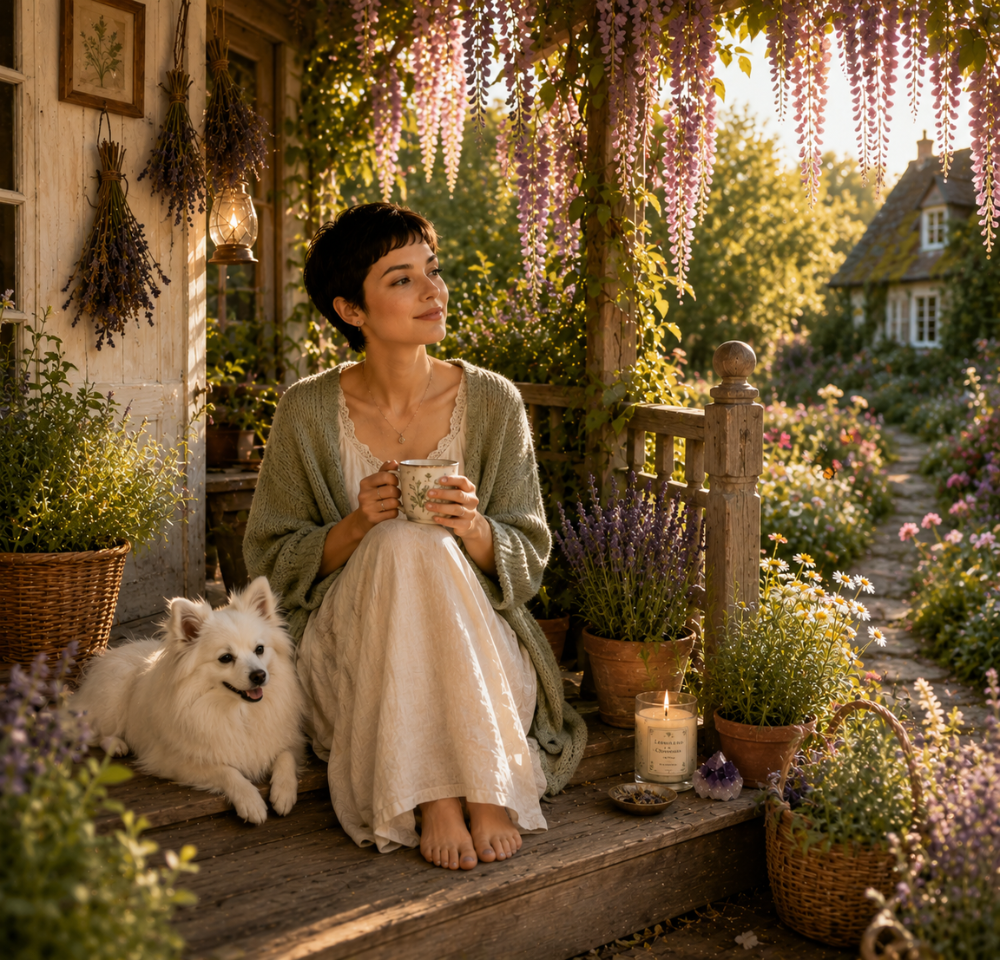
They happen while watering herbs on a warm summer morning, walking through the woods with no destination in mind, listening to rain against the windows, or sitting quietly in the garden with a cup of tea.
Nature has a remarkable way of reminding us that growth often begins long before anyone can see it.
Your Intuition Grows Stronger When You Listen
People often talk about intuition as though it’s a rare gift that only a handful of people are lucky enough to possess. I don’t see it that way.
I think intuition is something we’ve all had since the beginning. The difficult part is learning to hear it beneath the noise of everyday life.
Witchcraft didn’t give me intuition. It taught me to become quiet enough to notice it.
That quiet voice rarely arrives with dramatic visions or undeniable certainty. More often, it’s the feeling that encourages you to pause before making a decision, the unexpected sense of peace you feel in one place but not another, or the gentle nudge that says, “Pay attention.”
The more I slowed down, the easier those moments became to recognise. I stopped looking outside myself for every answer and started trusting my own observations a little more. Not because I believed I would always be right, but because I realised my instincts deserved to be heard.
Like any friendship, intuition grows stronger the more time you spend with it. Every moment you choose to listen builds trust. Every experience, whether it confirms your instincts or teaches you something new, becomes another conversation with yourself.
To me, that’s one of the most beautiful gifts witchcraft has ever offered. Not the ability to predict the future. The confidence to trust the person quietly walking beside me every single day. Myself.
You Don’t Need More Tools to Be a Better Witch
If I could sit down with the version of myself who was just beginning this journey, I’d probably offer one piece of advice before anything else.
You don’t need to own everything. Like many beginners, I convinced myself that becoming a better witch meant collecting more. Another crystal, another tarot deck, another herb, another beautifully illustrated book. I spent far too much time wondering what I was missing instead of appreciating what I already had.
Eventually, I realised I’d been asking the wrong question.
The most valuable tools I’ve ever worked with couldn’t be bought. Curiosity encouraged me to keep learning, patience taught me that growth takes time, observation helped me notice the quiet magic woven into everyday life, and experience shaped my practice far more than anything sitting on a shelf.
That doesn’t mean I stopped loving magical tools. I still enjoy filling my bookshelves, growing herbs in the garden, and surrounding myself with beautiful objects that inspire me. They bring joy to my practice, but they don’t define it.
Some of my favourite magical tools are wonderfully ordinary. A wooden spoon that’s stirred countless comforting meals, a favourite mug that starts every morning, garden gloves worn soft through years of planting, and a notebook filled with thoughts, dreams, pressed flowers, and little ideas that found me when I least expected them.
The older my practice becomes, the more I realise that magic begins long before we light a candle or cast a spell. It begins with the intention we bring to the things already in our hands.
Your Practice Will Continue to Grow
One of the most comforting lessons I’ve learned is that witchcraft isn’t something you finish learning. It’s something you grow alongside.
When I first started, I wanted to explore everything. Every tradition fascinated me, every new book felt like another door waiting to be opened, and every magical tool promised another skill to learn. I loved that excitement, and looking back, I wouldn’t change a thing.
As the years passed, though, my interests naturally shifted. Some practices that once felt incredibly important quietly faded into the background, while others became part of my everyday life without me even noticing. These days, I’m less interested in doing everything “correctly” and far more interested in creating a practice that feels honest and meaningful.
I’ve learned that changing your mind isn’t a sign you’ve wandered off your path. More often, it’s a sign that you’ve grown. Just as we change throughout our lives, our witchcraft changes with us.
The books that inspired you ten years ago may no longer be the ones you reach for today. New interests appear, old ones quietly drift away, and that’s all part of building a lifelong practice.
Like a well-loved garden, your practice is always growing, always changing, and always becoming something a little different with each passing season.
Kindness Is More Powerful Than Perfection
One of the biggest lessons witchcraft has taught me has very little to do with herbs, crystals, or moon phases. It’s taught me to let go of perfection.
When I first started practising, I worried about getting everything right. Was I using the correct herbs? Was I following the right tradition? Had I forgotten an important step? It was easy to compare my practice to beautiful photographs online and wonder whether I was somehow falling behind.
Over time, those worries quietly faded. I realised there isn’t a checklist that determines whether you’re a “good” witch. Your altar doesn’t have to look a certain way, your rituals don’t need to follow someone else’s routine, and your practice doesn’t become more meaningful because you own more tools or know more correspondences.
What matters is the care you bring to what you do.
That kindness shouldn’t only be offered to your practice. It should be offered to yourself as well. There will be weeks when life feels too busy for tarot, months when you barely notice the moon, and seasons when your focus shifts to family, work, or simply getting through the day.
I’ve learned that those quieter periods aren’t signs that you’ve lost your path. They’re part of living a full life, and your practice will still be there whenever you’re ready to return to it.
Witchcraft Helps You Come Home to Yourself
If someone asked me today what witchcraft has given me after all these years, I don’t think I’d begin by talking about spells.
I’d talk about peace. I’d talk about learning to trust my instincts instead of constantly looking for someone else’s approval. I’d talk about slowing down enough to notice the first flowers of spring, the smell of fresh herbs drying in the kitchen, or the comfort of lighting a candle as evening settles over the house.
Those moments have changed me far more than any spell ever could.
Witchcraft didn’t turn me into someone new.
It helped me become more of the person I already was beneath the noise of everyday life.
It encouraged me to embrace curiosity, welcome change, appreciate the natural world, and build a home filled with intention rather than perfection. Somewhere along the way, I stopped trying to become the “perfect” witch and started creating a practice that genuinely reflected my own life.
Looking back, I realise the greatest transformation wasn’t happening on my altar.
It was happening in the quiet moments between the rituals.
Final Thoughts
When people first discover witchcraft, they often ask which books they should read, which herbs they should buy, or what kind of witch they should become. Those are wonderful questions, and they’re all part of the journey. I remember asking many of those same questions myself, believing that the answers would somehow unlock everything I needed to know.
The years have taught me something very different. The most meaningful lessons rarely come from buying another tool or memorising another correspondence. They arrive while you’re living your life, often when you least expect them. You find them during slow mornings with a warm mug in your hands, while tending a garden that’s beginning to bloom, on peaceful walks through the woods, or in the quiet evenings when a single candle makes your home feel warm and welcoming.
These days, when someone asks me what witchcraft has given me, I rarely think about spells first. I think about opening the windows on a fresh spring morning, the scent of rosemary growing beside the kitchen door, herbs hanging to dry, birds singing outside while the kettle boils, and the simple joy of creating a home that feels peaceful, welcoming, and filled with intention. Those ordinary moments have become the heart of my practice because they’ve reminded me that magic was never hiding somewhere far away. It was quietly waiting in the life I was already living.
If there’s one thing I hope you take away from this article, it’s that your practice doesn’t have to look like anyone else’s. Keep reading, stay curious, ask questions, and allow yourself the freedom to grow naturally. The books will always be there, and there will always be something new to learn, but some of the greatest lessons won’t be found on a page.
You’ll find them while planting herbs in the garden, baking a favourite family recipe, listening to the rain against the windows, or watching the seasons quietly change outside your door. Those are the moments that have shaped my own practice more than any spell ever has, and I have a feeling they’ll continue teaching me for many years to come.